Restaurant Order Management System
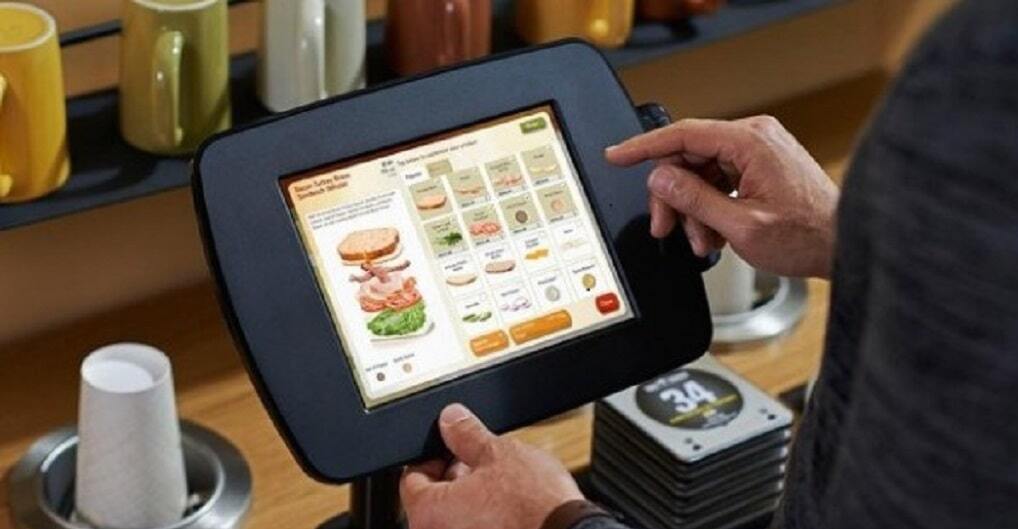
Project Overview
This project is a functional simulation of a restaurant's ordering process developed in C++. It utilizes Object-Oriented Programming (OOP) to define the roles of customers, waiters, and the menu, ensuring a clear and structured flow of information from the moment a table is greeted to the finalization of an order.
System Architecture
The application is built upon several header files that define the logic for different entities:
-
cliente.h: Manages customer data such as name and age. -
mesero.h: Handles the waiter's actions, including introducing themselves, taking orders, and suggesting drinks. -
menu.h: Stores and provides the list of available dishes, ranging from "Alitas" (Wings) to "Sushi". -
main.cpp: Orchestrates the interaction, capturing user input and triggering class methods.
Key Features
Interaction Flow
The system simulates a realistic service cycle:
-
Greeting: The waiter introduces themselves and asks for the customer's name.
-
Order Selection: The waiter displays the menu and the customer chooses a dish by its order number.
-
Order Confirmation: The waiter acknowledges the choice and proceeds with the service.
Logic Implementation
The code includes specific logic to improve the user experience, such as verifying the customer's age before offering specific beverages.
Code Sample: The Waiter Class
The mesero class is responsible for the primary communication with the user:
void mesero::presentarse(){
    cout << "Buenas tardes, mi nombre es " << nombre << ", ¿cuál es el suyo?" << endl;
}

void mesero::anotarOrden(string _orden){
    orden = _orden;
    cout << "Sería un " << orden << ", enseguida se lo traemos" << endl;
}
(Source: mesero.h )
Conclusion
This simulator demonstrates a solid grasp of encapsulation and class interaction in C++, providing a scalable foundation for more complex point-of-sale (POS) restaurant systems.
Would you like me to create a UML class diagram based on these files to further illustrate the project's structure in your portfolio?